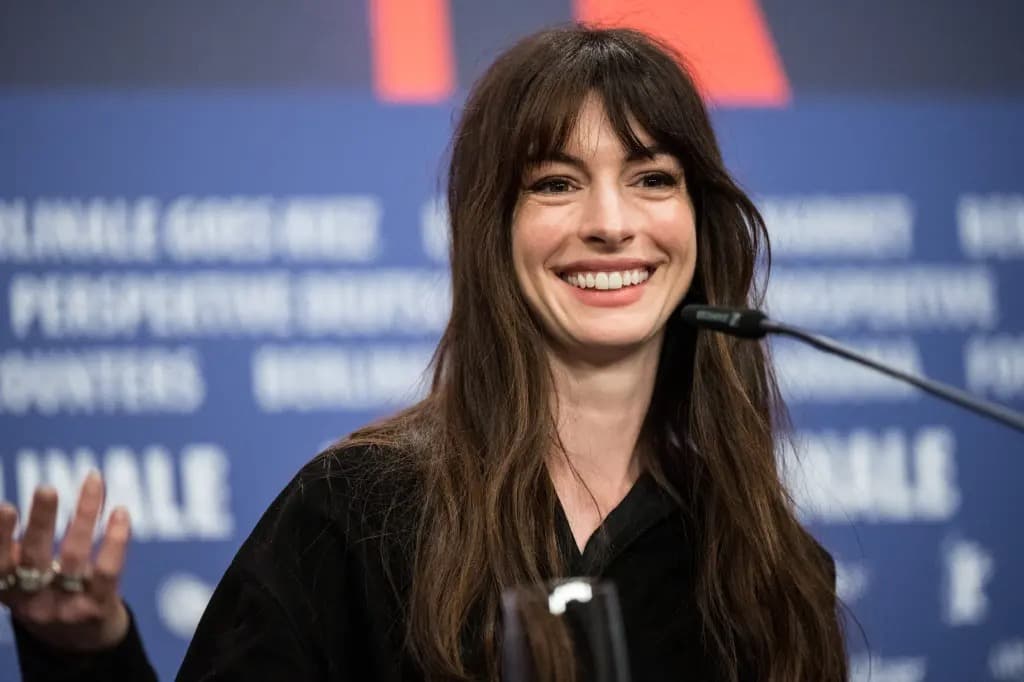
Anne Hathaway wasn't looking for a story about AI and the job market when she sat down to fill a role earlier this year — she was just hiring. What she got, by her own account in a radio interview, was every single candidate sending a post-interview thank-you note that read like a slight variation on the exact same template, the unmistakable fingerprint of a ChatGPT prompt run through several different names.
The instinct behind it makes sense. Entry-level and early-career hiring right now is genuinely brutal — a market where a single opening can pull hundreds of applications, and where AI is simultaneously being blamed for eliminating some of the roles candidates are competing for in the first place. Leaning on a tool to handle the volume of follow-up emails a job search now demands is a rational response to an irrational amount of competition.
It's also, according to Hathaway's account, the exact thing that got every one of those candidates eliminated. Her co-star Meryl Streep, weighing in on the story, made the point bluntly: a note that reads as generic signals a candidate who didn't actually engage with the specific role or the specific person interviewing them — and a hiring manager reading a stack of near-identical messages back to back notices that instantly, whether or not they can name the tool that produced it.
The lesson isn't that AI has no place in a job search — it's that the thank-you note is precisely the wrong place to let it do the talking. It's one of the few moments in the entire process built to prove a candidate was actually paying attention, and a templated response, however polished the sentence structure, proves the opposite.