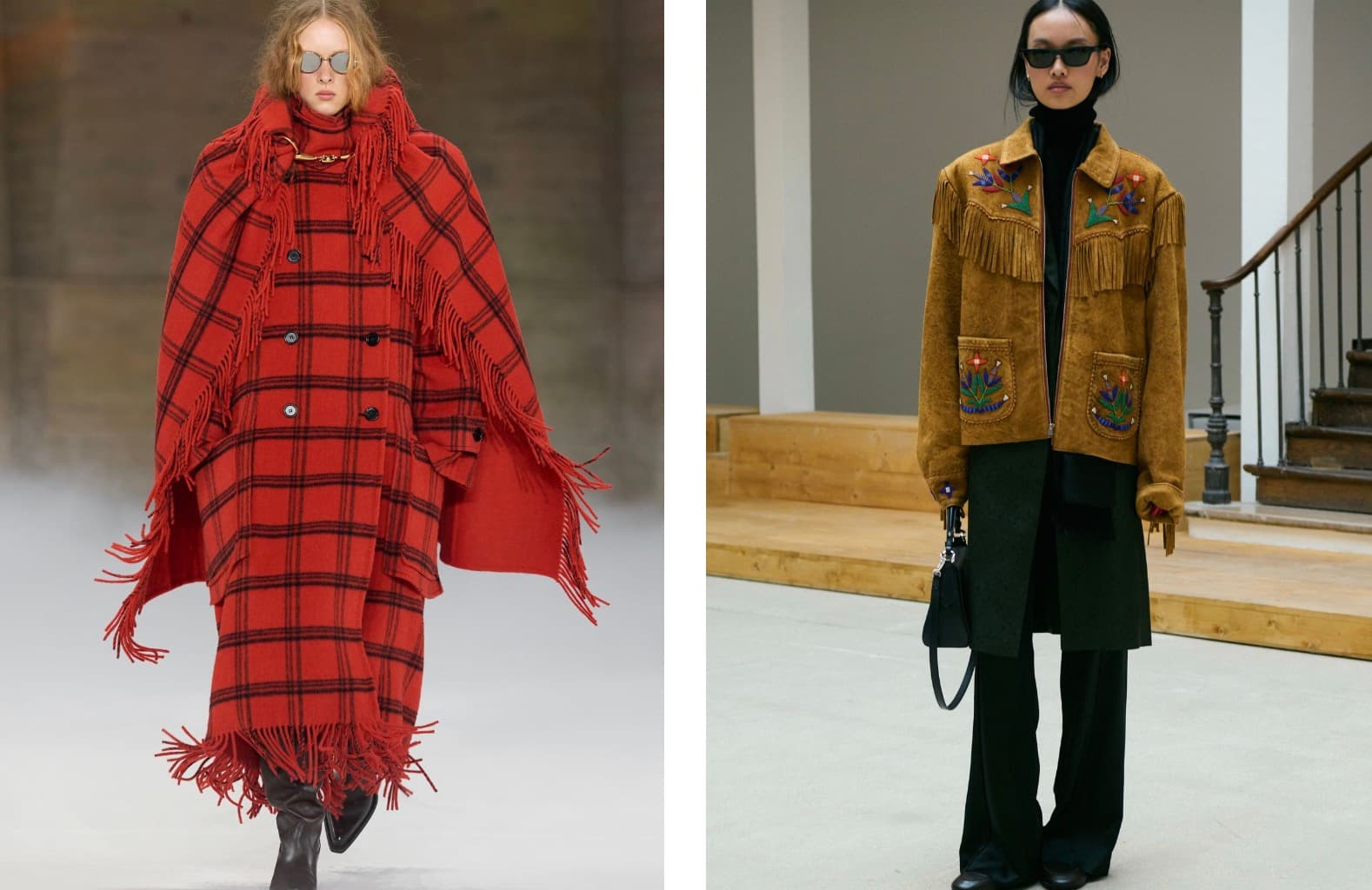
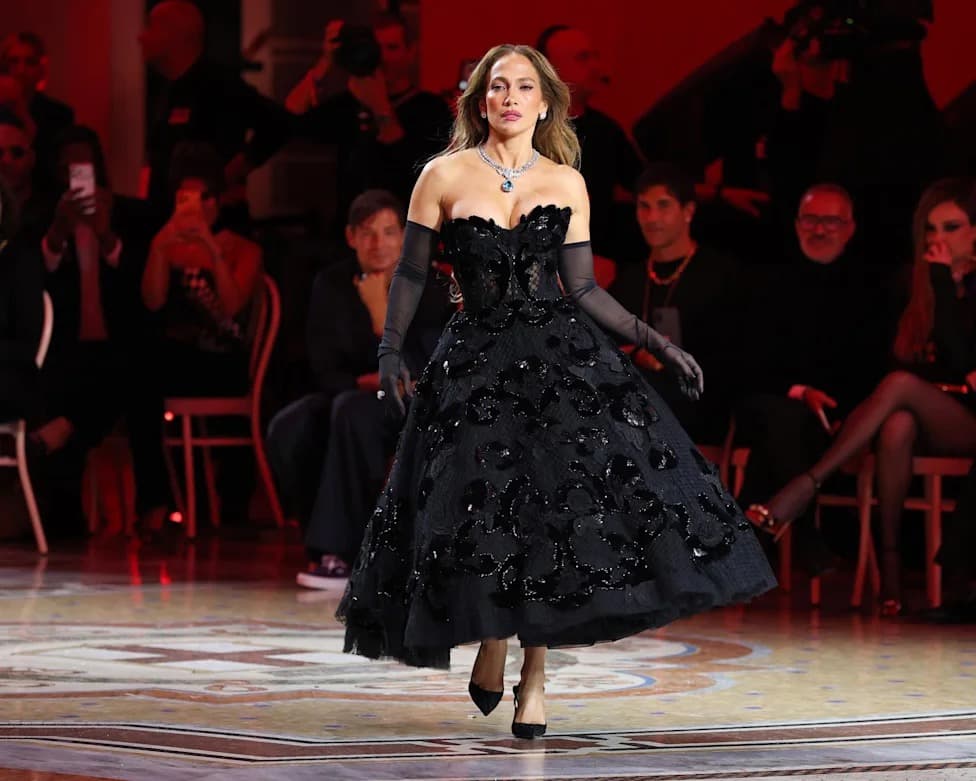
Dolce & Gabbana's Stravaganza Siciliana show closed out with Jennifer Lopez on the runway in a black tulle gown thick with sequined floral appliqué, opera gloves, and a statement necklace — the kind of image built to travel well past Milan Fashion Week. Domenico Dolce and Stefano Gabbana, 41 years into designing together, filled the rest of the collection with antique lace, crochet, leopard print, and heavy beading worked against denim, styled with the layered, borrowed-from-the-closet logic of clothes passed down between generations rather than bought new. It read as a deliberate pitch to a younger customer without abandoning the house's Sicilian-heritage signature.
That pitch is landing at a genuinely precarious moment for the business behind it. The house is carrying roughly £400 million in debt, and its banks have set a March 2028 deadline to get it settled — a deal that reportedly requires extraordinary corporate transactions, property sales among them, just to hold up its end. Stefano Gabbana stepped down as chairman earlier this year and is said to be weighing his options on a stake just under 40%, which is about as clear a signal as a design partner can send that a structural change might be coming.
What makes the situation genuinely notable is what Dolce & Gabbana still is, on paper: one of the last major Italian houses that hasn't been folded into a conglomerate the way most of its peers have been absorbed by LVMH or Kering. Independence has let it move at its own pace creatively for decades — the same independence that now means there's no larger parent company to quietly cover a £400 million gap. A Gen Z-facing collection is a real answer to a real problem — building the next generation of customers — but it's a slower fix than the balance sheet's timeline really allows for.