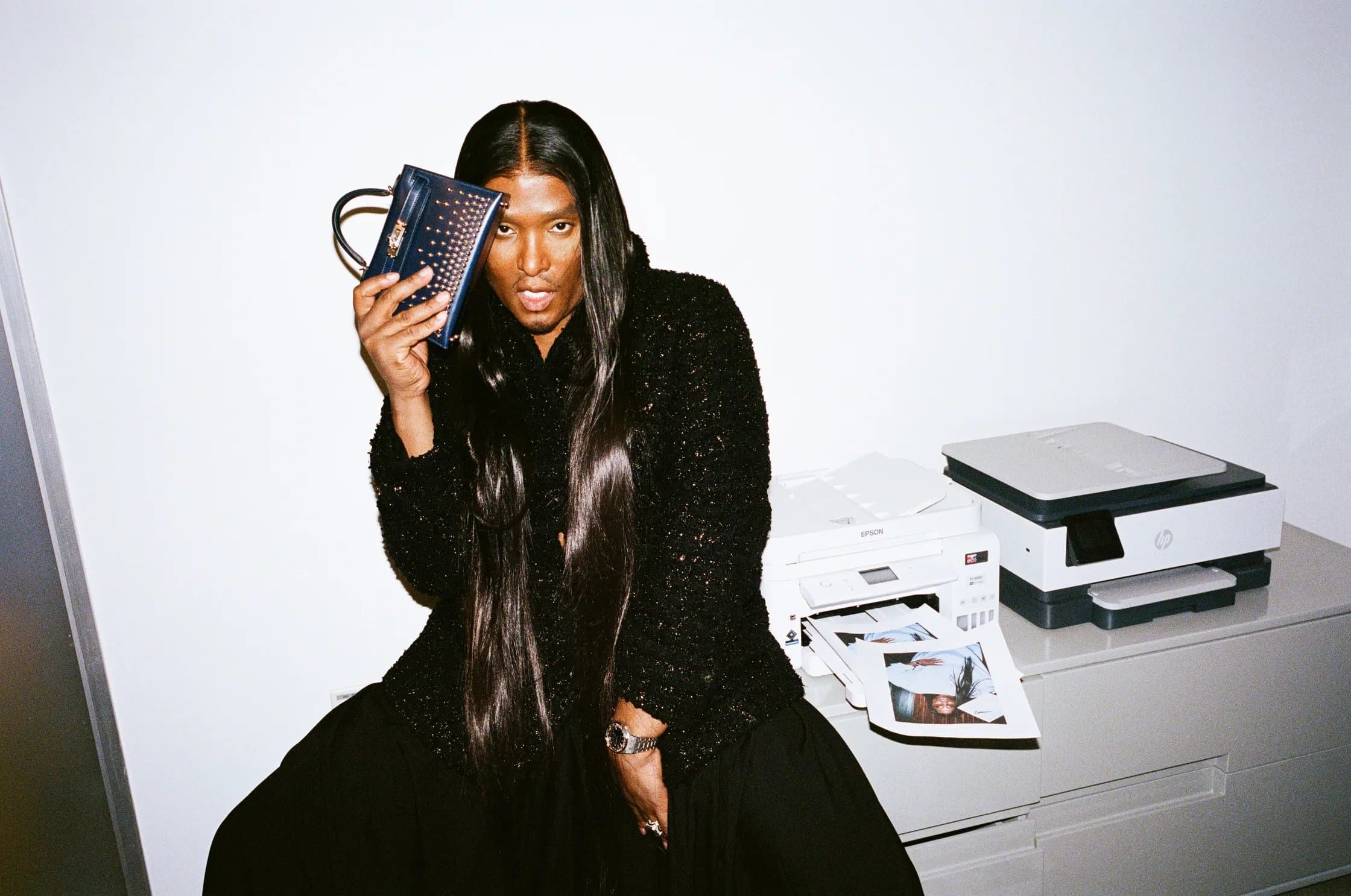
Law Roach has styled some of the most talked-about red carpet looks in recent memory, and when GQ asked him to open up about money for its new Profits & Losses column, he answered less like a client-facing stylist and more like someone who has actually sat with a spreadsheet. His rule for luxury is specific: it has to come with craftsmanship and an experience to match the price, which is why he collects Hermès and Bottega Veneta, both bought the old-fashioned way, in person, unhurried. Overpriced ready-to-wear, on the other hand, gets no such pass. His one true splurge outside of that is monogrammed socks from Berluti, which he buys in bulk simply because they feel good.
The most useful thing he shares, though, has nothing to do with bags. Early in his freelance career, Roach learned the hard way that taxes don't come out automatically the way they do at a salaried job — he once went to an ATM, found his balance at zero, and panicked into a bank branch assuming he'd been robbed, only to learn the IRS had taken it. His advice since: pay them on time, because the government will let a freelancer slide for a year or two before collecting all at once. It tracks with where he started: his first job out of college, at a mental health facility, paid $22,000 a year. Styling fees climbed slowly after that, from around $700 a day early on to several thousand now, depending on the client.